
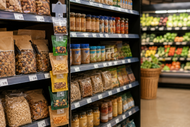
Sustainability is no longer limited to product ingredients, packaging, or transportation. It now extends to the materials retailers use to present merchandise inside stores. Point-of-purchase displays may appear to be a small part of retail operations, but when they are used across multiple locations and frequently replaced, their environmental impact can accumulate. ECO CLIP STRIP® Brand Display Strips offer retailers a practical way to improve their merchandising strategy while supporting more environmentally responsible business practices.
Traditional display strips are valued for their ability to place products in highly visible areas without requiring additional shelves or permanent fixtures. They can be positioned near complementary products, checkout lanes, aisle ends, and other high-traffic locations to encourage cross-selling and impulse purchases. However, conventional plastic merchandising materials may remain in landfills for extended periods after disposal.
ECO CLIP STRIP® display strips address this concern through the use of ECO-FAST™, an additive designed to accelerate the degradation of the material in landfill conditions. Importantly, this approach is intended to preserve the appearance, strength, and functionality retailers expect from standard display strips. Retailers therefore do not have to choose between dependable product presentation and a more sustainable merchandising option.
Durability remains essential in retail environments. A display strip must support packaged products securely, withstand regular customer interaction, and maintain its shape throughout a promotion. Some plant-based and PLA-based alternatives may be softer, potentially limiting their ability to hold heavier merchandise. ECO CLIP STRIP® display strips are designed to provide an environmental advantage without sacrificing the structural performance required for effective in-store merchandising.
For retailers, the benefits extend beyond waste reduction. These strips make use of overlooked vertical space, helping stores display additional merchandise without investing in larger fixtures or expanding their floor area. Products can be placed beside related items—for example, batteries near electronics, seasonings near meat products, or travel accessories near luggage. This strategic positioning can improve product discovery, support cross-merchandising, and generate additional sales from space that might otherwise remain unused.
The solution can also strengthen a retailer’s environmental positioning. Consumers, business partners, and employees increasingly expect companies to demonstrate measurable action rather than rely on broad sustainability statements. Replacing selected conventional merchandising components with environmentally conscious alternatives provides retailers with a visible and practical step toward improving their operations.
ECO CLIP STRIP® display strips can be especially useful for seasonal promotions, new-product launches, checkout merchandising, and temporary campaigns. Their flexible placement allows retailers to respond quickly to changing inventory and customer demand while reducing dependence on bulky display structures. Recycled-material options may also be accommodated for businesses with specific sustainability requirements.
No single display product can eliminate retail’s environmental footprint. Nevertheless, meaningful progress often comes from improving routine operational choices at scale. By combining merchandising performance, space efficiency, durability, and enhanced landfill degradation, ECO CLIP STRIP® Brand Display Strips provide retailers with a smarter approach to point-of-purchase presentation. They demonstrate that sustainable retail does not have to weaken functionality—it can improve how businesses sell products while making more responsible decisions about the materials they use.