
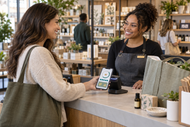
Acquiring a new customer is valuable, but convincing that customer to return can create even greater long-term value. This is why loyalty programs have become an important part of modern retail strategy. The most effective programs do more than distribute discounts. They give customers a reason to engage with a brand repeatedly while creating a shopping experience that feels increasingly relevant and rewarding.
For retailers considering a loyalty initiative, several proven approaches can provide useful inspiration.
Make Every Purchase Feel Like Progress
Points-based programs remain popular because they give customers a visible reason to continue purchasing. Instead of viewing each transaction independently, shoppers see purchases as progress toward another benefit.
Starbucks Rewards demonstrates this approach through its Stars system. In 2026, Starbucks introduced Green, Gold, and Reserve membership levels, with benefits increasing as members become more engaged. Rewards include birthday benefits, personalized offers, opportunities to earn additional Stars, and different redemption choices.
The business lesson is straightforward: customers should be able to understand what they are earning and what they can receive in return. Complicated reward structures can create friction, while visible progress can encourage repeat participation.
Give Customers Something to Unlock
Tiered loyalty programs add an element of achievement. Customers are not simply accumulating rewards; they are working toward greater status and additional privileges.
This strategy can be particularly effective for retailers with frequent customers. Higher tiers might provide earlier access to promotions, exclusive merchandise, additional points, special events, free services, or enhanced customer support.
The objective should not be to make lower-tier customers feel excluded. Instead, each level should provide genuine value while making continued engagement attractive.
Turn Points Into Choice
Sephora's Beauty Insider program provides another useful model. Members can accumulate points and access different rewards through its Rewards Bazaar while also receiving member-specific benefits.
Choice matters because customers do not necessarily value the same incentives. One shopper may prefer discounts, while another might respond better to samples, exclusive merchandise, experiences, or early product access.
Retailers can therefore make loyalty programs more engaging by offering several reward options rather than relying exclusively on coupons.
Combine Loyalty With Everyday Savings
For supermarkets, pharmacies, and other high-frequency retailers, loyalty can also be built around practical savings.
CVS ExtraCare combines member pricing, personalized offers, birthday benefits, and ExtraBucks Rewards on qualifying purchases. Its structure illustrates how a loyalty program can become part of a customer's normal shopping routine rather than feeling like a separate promotion.
This approach can work particularly well where customers shop frequently and compare prices.
Personalize the Experience
Another powerful loyalty-program idea is personalization. Purchase history and customer preferences can help retailers deliver offers that are more relevant to individual shoppers.
A pet owner may appreciate promotions on pet supplies, while a frequent beauty shopper may respond better to skincare offers. Relevance makes a reward feel more useful and can reduce the perception that loyalty communications are simply generic advertisements.
Ultimately, successful customer loyalty programs create a meaningful exchange: customers provide repeat business and engagement, while retailers provide recognizable value in return.
Whether through points, membership tiers, personalized offers, exclusive benefits, or everyday savings, the strongest programs make customers feel there is an advantage to returning. In competitive retail environments, that continuing relationship can turn occasional shoppers into long-term customers.