
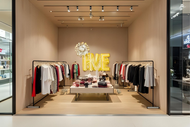
In an ever-evolving retail landscape, flexibility and immersive customer engagement have become essential to staying competitive. One innovative solution gaining significant traction among both rising entrepreneurs and established brands is the pop-up shop. But what defines a pop-up shop, and why has it become a key element in forward-thinking retail strategies?
What is a Pop-Up Shop?
A pop-up shop is a temporary retail space designed to showcase products, promote brand awareness, or test new markets without the commitment and overhead of a permanent storefront. These installations may last from a single day to several months and can appear anywhere—from vacant retail units and shopping malls to shipping containers, festivals, or high-foot-traffic urban areas.
The concept is rooted in the idea of ephemeral retail—offering a fleeting, limited-time experience that drives urgency and exclusivity. But more than just a trend, pop-up shops are now an integral part of omnichannel marketing strategies, allowing businesses to meet customers where they are and how they shop.
Key Benefits of Pop-Up Shops
- Low-Risk Market Testing
Pop-ups allow brands to test a product line, concept, or location before committing to long-term leases or large inventory orders. It’s a practical way to gather real-time customer feedback and analyze buying behavior. - Cost Efficiency
Compared to traditional brick-and-mortar operations, pop-up shops are significantly more affordable. Businesses save on utilities, staffing, long-term rent, and maintenance—making them especially attractive for startups and DTC (direct-to-consumer) brands. - Enhanced Brand Visibility
A creative, well-located pop-up can generate buzz, media coverage, and social media engagement. These shops serve as experiential marketing tools, often blending shopping with entertainment, education, or community involvement. - Customer Engagement and Loyalty
Pop-ups create in-person touchpoints in an increasingly digital world. These moments help brands build personal relationships, answer questions in real time, and provide tactile experiences that drive trust and loyalty. - Inventory Management and Seasonal Sales
They offer an excellent outlet for moving excess inventory or capitalizing on seasonal demand, such as during the holidays, back-to-school seasons, or event tie-ins.
Understanding the Costs
While pop-up shops are typically more budget-friendly than full-time retail spaces, costs can vary widely depending on location, duration, build-out needs, and staffing. Below are some typical considerations:
- Rental Fees: Depending on the space and city, short-term rent can range from a few hundred to thousands of dollars per day.
- Design & Fixtures: Custom displays, signage, lighting, and furniture can add to upfront costs.
- Permits & Insurance: Local regulations may require permits, and liability insurance is often a must.
- Marketing & Staffing: Costs for promoting the event and hiring temporary retail staff should be factored in.
Pop-up shops aren’t just a retail gimmick—they’re a strategic, data-driven approach to modern retail that balances risk, cost, and creativity. As brands continue to blend physical and digital experiences, pop-ups will remain a powerful tool for delivering memorable customer interactions, launching new products, and expanding into untapped markets.
For businesses looking to make a big impact with a small footprint, the pop-up shop model may just be the perfect next step.